| Quick Answer Before a periodontal appointment, ask about your diagnosis and stage of gum disease, the recommended treatment plan and alternatives, what the procedure involves, expected recovery time, and the total cost with insurance coverage. Writing these questions down beforehand helps you leave the visit with a clear, confident understanding of your gum health. |
Why Preparing Questions Matters
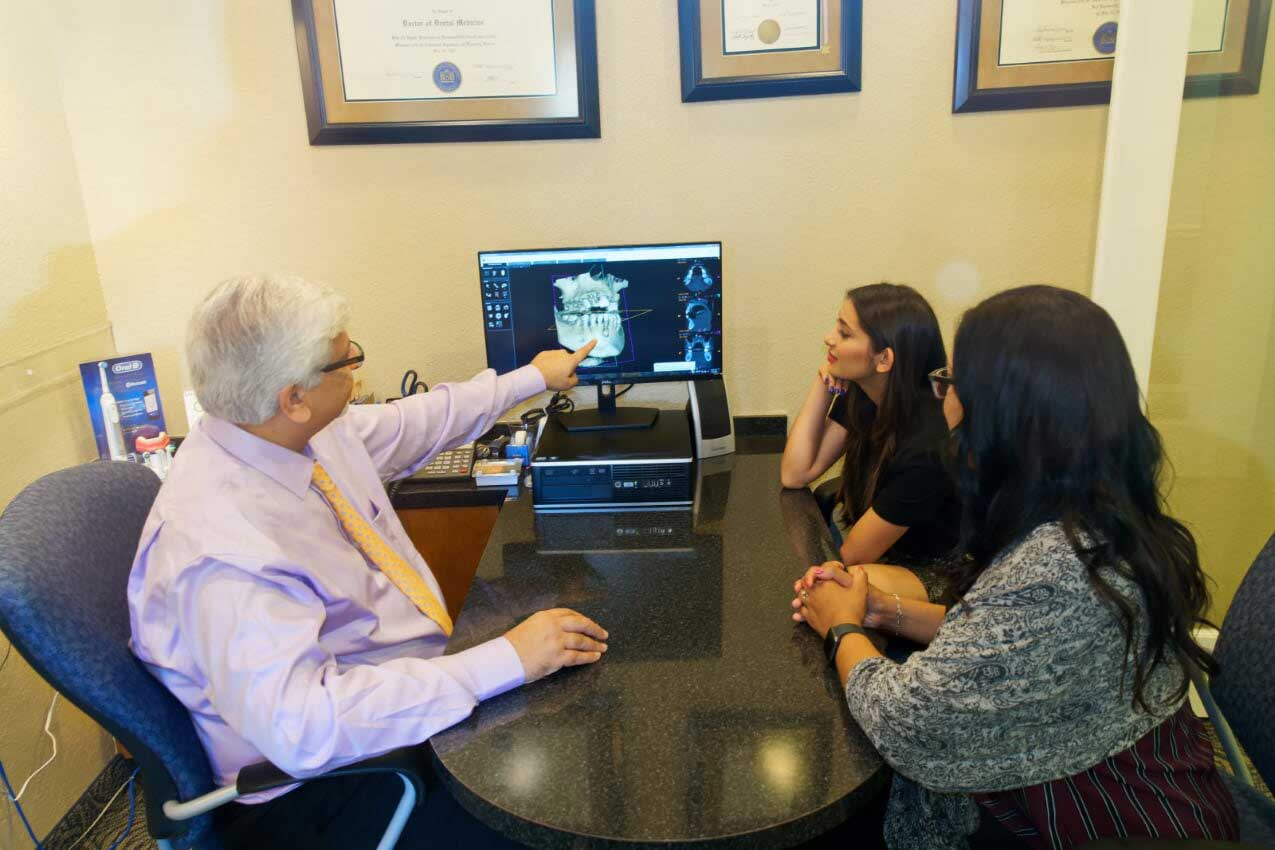
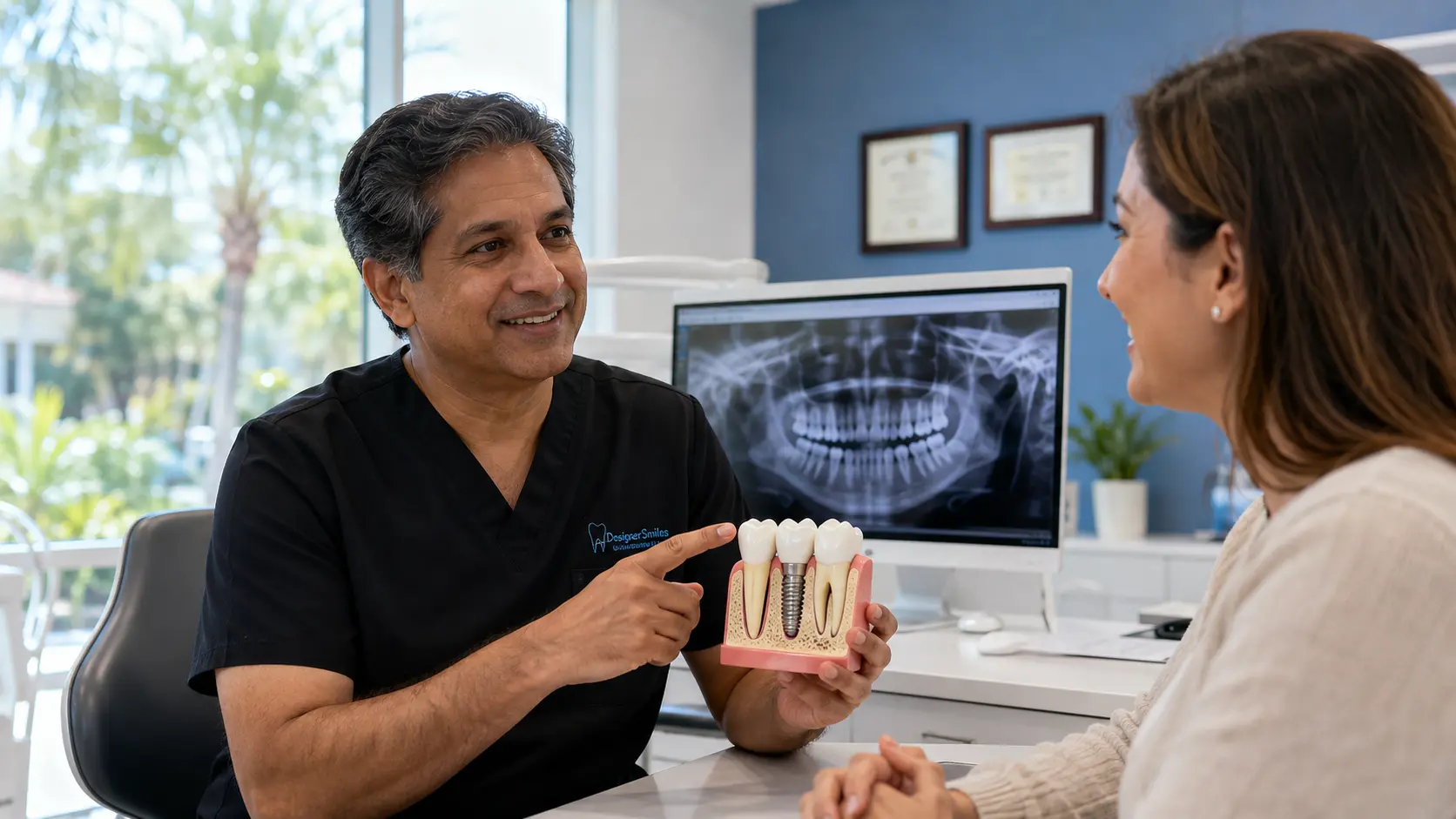
A periodontal consultation often covers a lot of information in a short window of time: your diagnosis, imaging results, treatment options, and next steps. Research on patient communication consistently shows that patients retain more information and report higher satisfaction when they come prepared with written questions. Preparing questions in advance helps you:- Understand the true stage and severity of your gum disease
- Compare treatment options instead of only hearing one path forward
- Know what to expect physically, financially, and in terms of recovery
- Feel confident advocating for your own oral health
Top Questions to Ask Your Periodontist
Use the categories below to build your own list before your visit to Designer Smiles FL. You don’t need to ask every question — pick the ones most relevant to your situation.1. Questions About Your Diagnosis
- What stage of gum disease do I have (gingivitis, or early, moderate, or advanced periodontitis)?
- What caused it, and are there risk factors I should know about (smoking, diabetes, genetics)?
- How much bone or gum tissue loss has occurred, and is it reversible?
- Will I need any imaging, such as X-rays or 3D scans, to confirm the diagnosis?
2. Questions About the Treatment Plan
- What treatment do you recommend, and why is it the best option for my case?
- Are there alternative treatments, and what are the pros and cons of each?
- How many appointments will treatment require, and how are they spaced out?
- What happens if I choose to delay or decline treatment?
3. Questions About the Procedure Itself
- Is the procedure surgical or non-surgical (e.g., scaling and root planing vs. flap surgery)?
- What type of anesthesia or sedation will be used, and is it safe for my health history?
- How long will the procedure take?
- Who will be performing the treatment — the periodontist directly, or a hygienist under supervision?
4. Questions About Recovery and Aftercare
- What does recovery typically look like, and how long does it take?
- Will I experience pain, swelling, or bleeding, and how should I manage it?
- Are there foods or activities I should avoid after treatment?
- How will we monitor whether the treatment is working over time?
- What can I do at home to prevent gum disease from returning?
5. Questions About Cost, Insurance, and Financing
- What is the total estimated cost of treatment?
- Is this procedure covered by my dental insurance, and what will my out-of-pocket cost be?
- Do you offer payment plans or financing options?
- Will I need maintenance visits, and how are those billed?
| 🖼 [ IMAGE PLACEHOLDER ] Checklist graphic of periodontist appointment questions Suggested alt text: “Printable checklist of questions to ask a periodontist before an appointment” |
What to Bring to Your Periodontal Appointment
In addition to your written questions, it helps to bring:- A list of current medications and supplements
- Your dental and medical insurance information
- Any recent dental X-rays from your general dentist, if available
- Notes on any symptoms — bleeding gums, sensitivity, loose teeth, or bad breath — including when they started
Frequently Asked Questions
What is a periodontist, and how is it different from a general dentist? A periodontist is a dental specialist who completes additional training beyond dental school focused specifically on the gums, supporting bone, and the placement of dental implants. General dentists provide routine care and screenings, but they often refer patients to a periodontist for moderate to advanced gum disease or implant treatment. How do I know if I need to see a periodontist? Common signs include red, swollen, or bleeding gums; persistent bad breath; loose or shifting teeth; gum recession; or a diagnosis of periodontitis from your general dentist. If you notice any of these signs, it’s worth scheduling an evaluation. Is a periodontal appointment painful? Many periodontal procedures, such as scaling and root planing, are performed with local anesthesia and cause minimal discomfort. Your periodontist can also discuss sedation options for more involved procedures or for patients with dental anxiety. How long does treatment for gum disease usually take? This depends on the stage of the disease. Early gingivitis may improve within a few weeks of professional cleaning and improved home care, while moderate to advanced periodontitis may require multiple visits over several months, followed by ongoing maintenance cleanings. Will my insurance cover periodontal treatment? Many dental insurance plans cover a portion of periodontal treatment, especially non-surgical procedures, though coverage varies by plan. The team at Designer Smiles FL can help verify your benefits and walk you through the estimated cost before treatment begins. Can gum disease affect my overall health? Research summarized by the American Academy of Periodontology and the National Institute of Dental and Craniofacial Research has linked untreated gum disease to increased risks for conditions such as heart disease and complications with diabetes. Treating gum disease is an important part of protecting your overall health, not just your smile.| Schedule Your Periodontal Consultation Have questions about your gum health? The team at Designer Smiles FL is here to listen, answer every question on your list, and build a treatment plan tailored to you. Visit nileshd1.sg-host.com to request an appointment or call the office directly to speak with our team today. |
Sources
- Centers for Disease Control and Prevention (CDC) — Oral Health Data & Research
- American Academy of Periodontology (AAP) — perio.org
- American Dental Association (ADA) — MouthHealthy Patient Resources
- National Institute of Dental and Craniofacial Research (NIDCR), part of the NIH