
- Nearly 42% of adults over age 30 in the U.S. have some form of periodontal disease
- Globally, 20–50% of the population is affected by gum disease
- In 2021 alone, periodontal disease affected over 950 million people worldwide
What Happens During Dental Cleaning (Biological Perspective)
Dental cleaning (prophylaxis) involves removing plaque biofilm and mineralized calculus, both of which are primary contributors to gum disease. Plaque begins forming within minutes after eating, and if not removed within 24–48 hours, it hardens into tartar—something that cannot be eliminated with brushing alone. This tartar acts as a bacterial reservoir, releasing toxins that trigger:- Gum inflammation (gingivitis)
- Breakdown of connective tissue
- Progressive bone loss (periodontitis)
- Ultrasonic scalers (high-frequency vibration + irrigation)
- Precision hand instruments
How Long Does Dental Cleaning Take?
The time required depends on the severity of buildup and gum health condition.Routine Cleaning
- 30–60 minutes
- Suitable for healthy patients or early gingivitis
- Includes scaling, polishing, and evaluation
Deep Cleaning (Scaling & Root Planing)
- 60–120 minutes or multiple visits
- Required when infection extends below the gumline
Cost of Dental Cleaning in Coral Springs (With Real Context)
The cost reflects the difference between preventive care and disease treatment.Routine Cleaning:
- Approx. $75 – $200
- Preventive and usually insurance-covered
Deep Cleaning:
- Approx. $150 – $400 per quadrant
- Treats active infection
Why Early Cleaning Saves Money
Clinical data shows:- Early-stage cleaning is significantly cheaper
- Advanced periodontal treatment can escalate to surgical procedures, bone grafting, or implants, costing thousands
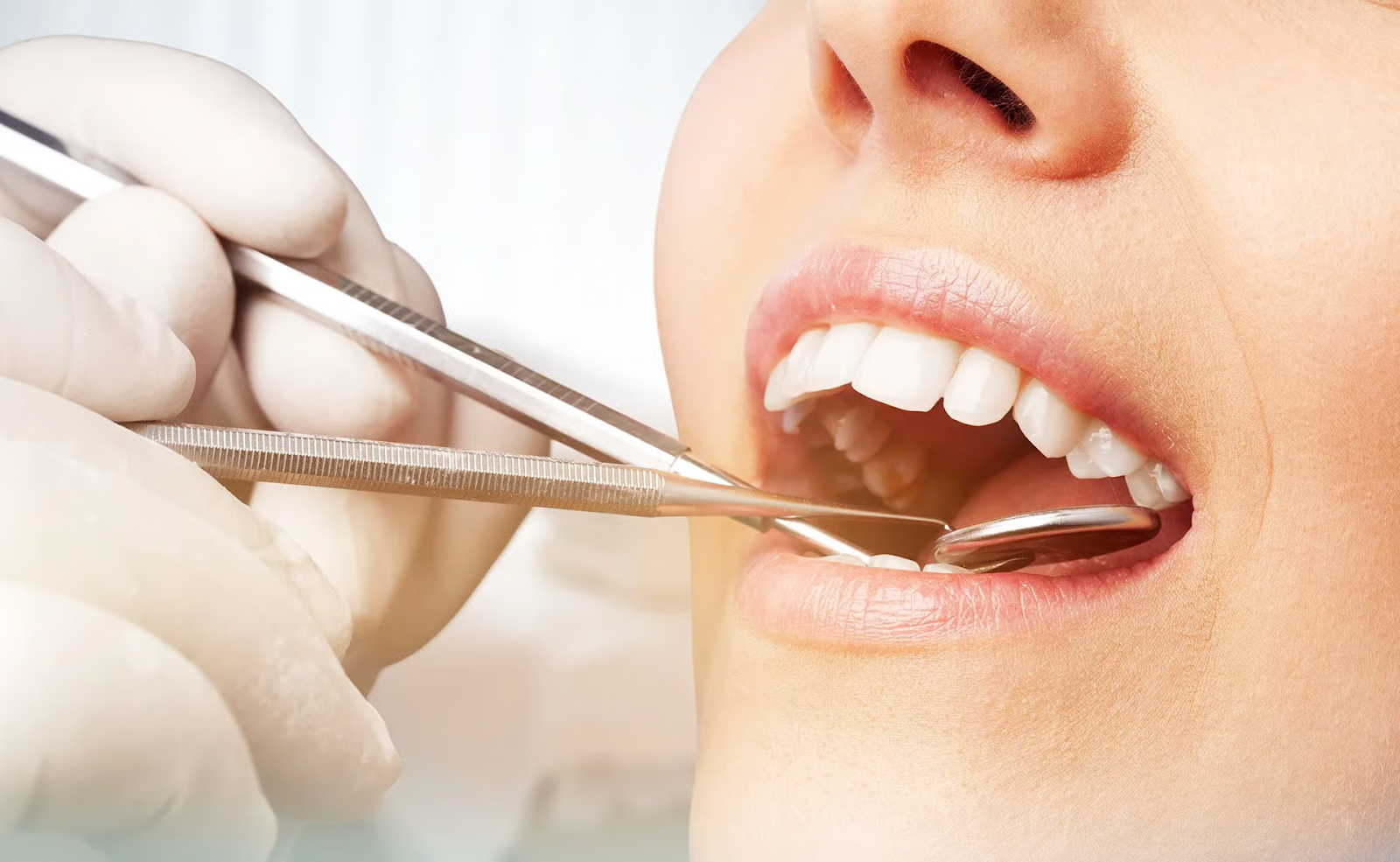
Step-by-Step Clinical Procedure (In-Depth Periodontal Approach)
At Designer Smiles in Coral Springs, dental cleaning is performed using a structured, evidence-based protocol. Each step is designed not only to remove deposits but also to interrupt the disease process at a biological level.1. Comprehensive Periodontal Evaluation (Foundation of Treatment)
Before any cleaning begins, a detailed periodontal assessment is performed. This step determines the exact condition of your gums and supporting bone.What We Clinically Measure:
- Periodontal pocket depth using a probe (normal: 1–3 mm)
- Bleeding on probing (BOP) – indicator of active inflammation
- Clinical attachment loss (CAL) – shows progression of disease
- Gum recession levels
- Tooth mobility (if bone loss is present)
Why This Step Is Critical:
Periodontal disease is often asymptomatic in early stages, meaning patients may not feel pain even when damage is occurring. Studies show that bleeding on probing is one of the earliest indicators of gum disease, often present before visible symptoms. At this stage, Dr. Nilesh Dalal determines whether you require:- Preventive cleaning (prophylaxis)
- Therapeutic cleaning (scaling & root planing)
2. Scaling (Removal of Plaque Biofilm & Calculus)
Scaling is the core mechanical phase of dental cleaning and involves removing both soft and hardened deposits.Types of Deposits Removed:
- Supragingival calculus (above gumline)
- Subgingival calculus (below gumline—most harmful)
- Bacterial biofilm colonies
Tools Used:
- Ultrasonic scalers
- Use high-frequency vibrations
- Break down calculus efficiently
- Flush bacteria with antimicrobial irrigation
- Hand instruments (curettes & scalers)
- Allow precise removal in deep or tight areas
- Essential for finishing and root-level cleaning
Clinical Insight:
Subgingival calculus is particularly dangerous because it creates a rough surface that promotes continuous bacterial colonization. Research indicates that incomplete removal of subgingival deposits is a primary cause of treatment failure in periodontal therapy.3. Root Planing (Subgingival Detoxification & Surface Smoothing)
Root planing goes beyond cleaning—it is a therapeutic procedure aimed at halting disease progression.What Happens at the Root Level:
- Removal of bacterial endotoxins embedded in cementum
- Smoothing of root surfaces to reduce plaque retention
- Elimination of contaminated tissue
Biological Impact:
- Allows gingival tissues to reattach to the tooth surface
- Reduces periodontal pocket depth
- Disrupts anaerobic bacterial environments
When It’s Required:
- Pocket depth > 4 mm
- Evidence of attachment loss
- Chronic inflammation
4. Polishing (Surface Refinement & Plaque Resistance)
After scaling, polishing is performed to refine the tooth surface and improve aesthetics.What Polishing Does:
- Removes extrinsic stains (coffee, tea, tobacco)
- Smoothens enamel to reduce bacterial adhesion
- Enhances overall cleanliness and shine
Materials Used:
- Prophylaxis paste (mild abrasive)
- Rubber cup or air polishing systems
Clinical Importance:
A smoother tooth surface reduces plaque re-accumulation rate, which is critical for maintaining results between visits.5. Subgingival Irrigation (Bacterial Load Reduction)
In patients with deeper pockets or inflammation, antibacterial irrigation is used.Solutions May Include:
- Chlorhexidine
- Saline or antimicrobial agents
Purpose:
- Flush out residual bacteria and debris
- Reduce microbial load in periodontal pockets
- Support healing post-cleaning
Clinical Relevance:
Periodontal pockets create low-oxygen environments, ideal for anaerobic bacteria. Irrigation helps disrupt this ecosystem.6. Fluoride Therapy (Enamel Protection & Sensitivity Control)
Fluoride is applied when needed, especially in patients at risk for:- Tooth sensitivity
- Enamel demineralization
- Root exposure
Benefits:
- Promotes remineralization of enamel
- Reduces post-cleaning sensitivity
- Strengthens teeth against acid attacks
Forms Used:
- Gel
- Foam
- Varnish
7. Occlusal & Functional Assessment (If Needed)
In certain cases, bite alignment is evaluated.Why It Matters:
- Improper bite forces can worsen gum and bone loss
- Can contribute to tooth mobility
8. Post-Treatment Instructions & Maintenance Planning
The final step is often underestimated but is critical for long-term success.Personalized Guidance Includes:
- Proper brushing technique (angle, pressure, duration)
- Flossing or interdental cleaning methods
- Use of antimicrobial mouthwash
- Dietary recommendations
Maintenance Scheduling:
- 6 months (low risk)
- 3–4 months (periodontal patients)
Benefits of Dental Cleaning (Backed by Research)
1. Prevents Gum Disease Progression
Without cleaning, gingivitis can advance into periodontitis—a condition responsible for tooth-supporting bone destruction2. Reduces Tooth Loss Risk
Periodontal disease is the leading cause of tooth loss in adults3. Controls Oral Bacteria
There are over 800 species of bacteria in the oral cavity, many of which contribute to disease if not controlled4. Supports Systemic Health
Studies show links between gum disease and:- Cardiovascular disease
- Diabetes complications
- Respiratory infections
5. Improves Oral Hygiene Outcomes
Professional cleaning enhances the effectiveness of daily brushing and flossing.Side Effects & Post-Treatment Response
Dental cleaning is safe, but mild temporary effects may occur:Common Effects:
- Gum bleeding (due to inflammation)
- Tooth sensitivity
- Mild discomfort
After Deep Cleaning:
- Temporary soreness
- Gum tenderness
- Slight swelling
How Often Should You Get Dental Cleaning?
Standard Recommendation:
- Every 6 months
High-Risk Patients:
- Every 3–4 months
- Smokers
- Diabetic patients
- Patients with implants
- History of gum disease
Why Choose Designer Smiles in Coral Springs?
At Designer Smiles in Coral Springs, dental cleaning is integrated into a comprehensive periodontal care model.What Makes the Difference:
- Expertise of Dr. Nilesh Dalal (Periodontist & Implant Specialist)
- Evidence-based treatment planning
- Advanced cleaning technology
- Focus on prevention, not just treatment
- Serving Coral Springs + Parkland, Coconut Creek, Margate, Tamarac

bdfb777app
Best experience I have had with a mobile betting app so far. The bonuses are actually generous and not just for show. Visit bdfb777app now.
888betlink
Finding a trustworthy betting portal can be stressful but this one quickly won me over with its transparent rules and quick payouts. I love how they update their promotions regularly so there is always something new to try. You should definitely visit 888betlink to see the difference for yourself.
hokipaylogin
The payment methods are very convenient and the deposits are processed almost instantly. It makes the whole experience much more enjoyable. Check out hokipaylogin today.
jk777game
Best slot experience I have had in a long time. The graphics are crisp and the wins feel rewarding. Check it out at jk777game.
2uuu88viplogin
The VIP experience is legit. I feel like a valued player every time I log in. Big thanks to 2uuu88viplogin for the amazing service.
ph98jili
A very reliable platform for anyone looking for quality gaming. The security makes me feel safe with my deposits. Check ph98jili
8857bet
Alright, 8857bet, step right up! Let’s see what you got. Time to test my luck and see if this is the one. Wish me luck! 8857bet
pk68vippk
Finally found a platform that doesn’t lag during peak hours. The game variety is impressive and the customer support is actually helpful. pk68vippk is definitely my new go-to.